
CBD Under the Tongue (UK Edition): A Calm‑Headed Buyer’s Guide for People Living with Chronic Pain
At‑a‑glanceThis friendly, fact‑checked information sheet focuses on sublingual CBD oil (drops under the tongue) sold in the UK. It explains labels (full vs broad spectrum), what good lab tests (COAs) look like, how to think about potency, vegan/non‑vegan carriers, organic vs synthetic CBD, THC in UK law, contraindications & drug interactions, and what the evidence…

The Lava Lamp of Pain: Understanding Fibromyalgia’s Unpredictable Patterns — and Practical Ways to Live Well
Fibromyalgia’s consistent inconsistencies explained: why pain flares shift—and practical ways to steady life with sleep, pacing, gentle movement, mind–body skills. Introduction: When Your Body Feels Like a Lava Lamp If you’ve ever watched a lava lamp, you’ll know the blobs never move in the same way twice. They rise and fall, merge and split, drifting…
Melancholy in Neurodivergent Adults (ADHD & Autism): Causes, Duration, Relationship Impact, and Evidence‑Based Ways to Recover.
Melancholy in neurodivergent adults: causes, duration, relationship impact, and practical steps to recover when low mood lasts weeks or months. Overview Many neurodivergent adults (including autistic and ADHD adults) describe seasons of “quiet heaviness”, “flatness”, or “coloured‑grey days”—a state often called melancholy. It is not an official diagnosis; rather, it’s a pattern of persistent, low‑grade…
Conversations in Colour is now listed on the National Autistic Society Autism Services Directory
Conversations in Colour is now officially listed on the National Autistic Society’s Autism Services Directory. The directory is a trusted resource used by autistic people, families, and professionals to find services that understand and support autistic needs. Our listing reflects the work we do every day: creating accessible, low‑pressure peer support for neurodivergent and chronically…

Why Book a 1:1 Session with Conversations in Colour.
If you’re a neurodivergent (ND) adult (autistic, ADHD, or both) living with chronic illness or autoimmune conditions, you deserve a space where you don’t have to over‑explain, mask, or minimise what daily life actually costs. Conversations in Colour is that space: calm, non‑clinical, and grounded in lived experience. Our focus is simple and human—clear, validating…

Misophonia in Adults: Why Knowing You’re Neurodivergent Changes Everything—and 10 Practical Ways to Self‑Screen and Cope
Understand adult misophonia, its neurodivergent links, self‑screening signs, and 10 evidence‑based strategies to manage daily triggers. A gentle note before we begin You’ve used misphonia/misphone—many people do. The term you’re looking for is misophonia: a decreased tolerance for specific sounds (often human‑made) that trigger disproportionately strong emotional and physiological reactions. Crucially, it’s not about loudness;…

ADHD & Autistic Problem‑Solving Superpowers: Why Neurodivergent Thinkers Drive Innovation at Work
Neurodivergent minds excel at lateral, rapid problem‑solving. Here’s how ADHD and autistic strengths fuel innovation—and how to harness them. Introduction: Different brains, bigger solutions When organisations face quirky problems—ambiguous data, hidden risks, systems that won’t behave—progress rarely comes from doing more of the same. It comes from people who see what others miss, connect unlikely…

Hormone Replacement Therapy and Pain: How HRT and TRT Can Help (or Hinder) Pain Management in Rheumatic Disease and Fibromyalgia
Balanced review of HRT/TRT and pain in rheumatic disease & fibromyalgia: mechanisms, benefits, risks, routes, and UK‑specific guidance. Who is this for?Adults living with a chronic rheumatological condition (e.g., rheumatoid arthritis, axial spondyloarthritis, lupus) or fibromyalgia who want to understand how hormone replacement therapy (HRT) for women and testosterone replacement therapy (TRT) for men might…
Alcohol and Autism: Why Some Autistic People Drink, What Changes in the Moment, and What Happens After
Alcohol and Autism: motives to drink, in‑the‑moment effects, and aftermath—an empathetic, evidence‑based guide with practical safeguards. Introduction Alcohol can mean very different things to autistic adults. For some, it is something to avoid—too unpredictable, too noisy in its effects. For others, it can feel like short‑term relief from anxiety, social pressure, or sensory overload, and…
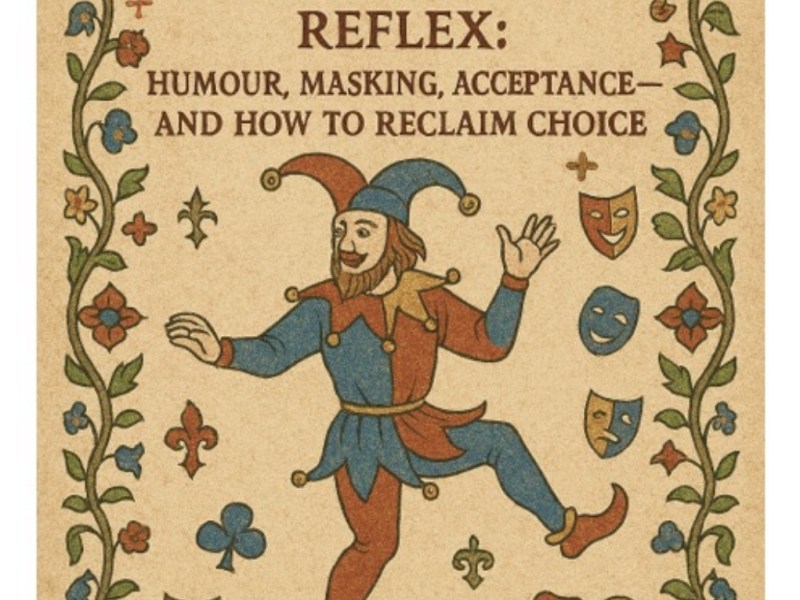
ADHD and the “Performing Monkey” Reflex: Humour, Masking, Acceptance — and How to Reclaim Choice
ADHD and the “performing monkey” role: acceptance, masking or personality? A compassionate, evidence‑based guide to owning your humour. When Humour Becomes a Habit (and a Shield) If you live with ADHD, you might recognise the urge to “work the room,” keep the energy up, and defuse tension with a perfectly timed joke. You may also…

Not Mind‑Readers, Just Misread: 20 Everyday Neurodivergent Communication Pitfalls and How to Reframe Them
20 real-world neurodivergent communication mix‑ups with clear reframes for work, school, home and appointments — practical, kind and a little bit funny. Introduction People often treat communication like a universal language, but it’s more like a regional dialect with different accents. Neurodivergent brains — autistic, ADHD, dyslexic and others — frequently use different conversational rules…

Joint Effort: 20 Practical Ways to Ease Pain and Stiffness from Rheumatoid and Autoimmune Conditions
20 practical, evidence‑based ways to reduce pain and stiffness from rheumatoid and autoimmune conditions — tips, treatments and daily hacks. Quick guide: top five essentials • See your rheumatology team for diagnosis and DMARDs/biologics to slow disease.• Keep moving with tailored physiotherapy and gentle exercise to reduce stiffness.• Manage flares with pacing, heat/cold and short‑term…

Pattern Whisperers: Why Autistic and ADHD Brains Seem to Predict the Future (But Don’t Actually Read Minds)
Why autistic and ADHD people often seem to predict outcomes: fast pattern recognition, sequence memory and attention differences explained. How “prediction” really works People with autism or ADHD frequently notice regularities and sequences earlier and faster, then apply those templates to new situations. That looks like prediction because when a situation matches a stored pattern,…

ADHD and Overspending: The Quick High, the Fast Crash, and How to Break the Cycle
ADHD overspending made simple: why the quick high happens, why it fades fast, and practical ways to break the debt–anxiety loop. If you have ADHD, spending can deliver a quick emotional “lift,” then drop off fast, leaving regret or anxiety. This isn’t a character flaw. It reflects how ADHD brains process rewards, time and emotions.…
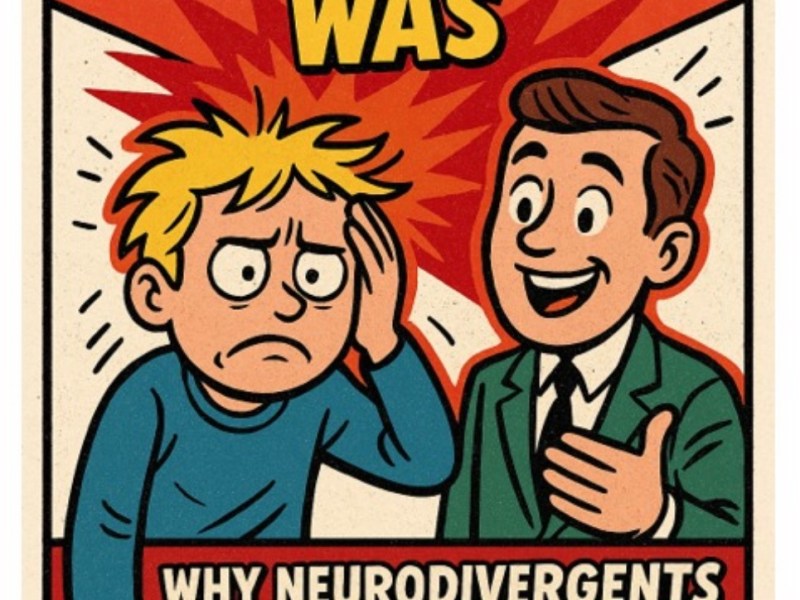
“Don’t Ask Me How My Weekend Was: Why Neurodivergents Hate Workplace Small Talk”
Neurodivergent workers loathe “How are you?”—this humorous, evidence‑based guide explains why and offers practical workplace fixes. The problem in plain (and painfully polite) English Small talk is often a social ritual, not a real question; for many neurodivergent people it’s ambiguous, draining, and cognitively costly. Research and first‑person accounts show that superficial pleasantries can feel…

Spock, Systems, and Solace: Why Autistic Fans See Themselves in a Vulcan
Spock’s logic, sensory style, and outsider status resonate with autistic fans—an evidence‑informed, affectionate profile for Trekkies and neurodivergent readers. Overview: Spock as a character study Spock’s core traits—literal thinking, rule‑based reasoning, intense interests, and social distance—mirror many autistic cognitive and social styles. These parallels have been discussed in psychiatry and fandom alike, and they help…

Neurodivergent and Autoimmune: Navigating Overlap, Fatigue, and Care
Neurodivergent adults with autoimmune conditions face overlapping inflammation and symptom amplification; this guide offers tips, pacing, and advocacy! People who are neurodivergent and also live with autoimmune conditions face a unique, often under‑recognized set of challenges: overlapping inflammation, higher rates of comorbidity, and practical impacts on daily functioning and healthcare access. How common is the…

Galaxies, Spaceships, and Special Interests: Why Sci‑Fi Feels Like Home to Autistic Minds
Why autistics love sci-fi: science-backed insights, pop-culture quotes, joyful analysis. Autistic people often gravitate to science fiction because it offers clear systems, relatable “other” characters, and richly patterned worlds that reward focused attention—making sci‑fi a safe, stimulating refuge for special interests and social imagination. Science fiction foregrounds systems, rules, and repeatable logic—qualities that many autistic…

Soothing the Neurodivergent Mind with Touch
Gentle petting calms neurodivergent adults: practical, joyful strategies to soothe before burnout, meltdown, or shutdown with dogs and cats. Calm tips! Petting a dog or cat can quickly lower stress and raise calming hormones, offering a simple, joyful strategy adults can use at home—especially before burnout, meltdown, or shutdown. Try a short, intentional stroking routine…
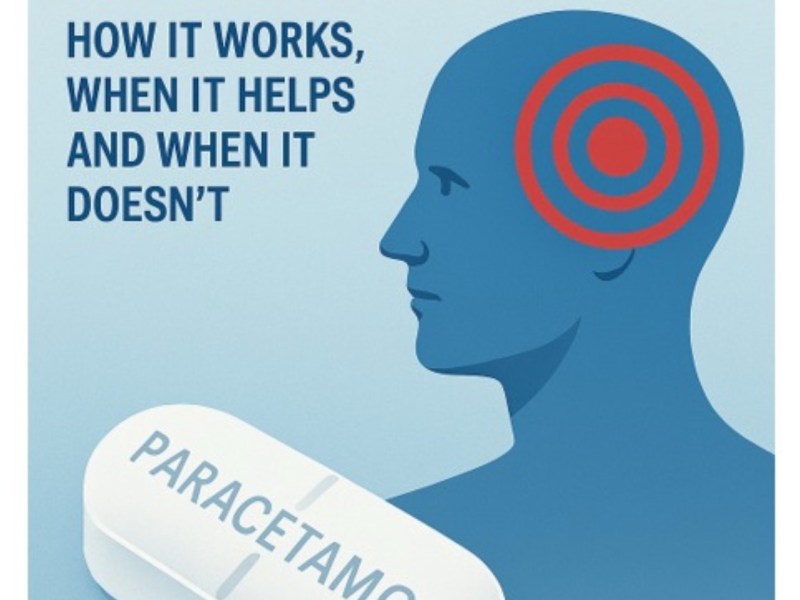
Paracetamol and Pain: How It Works, When It Helps and When It Doesn’t
Paracetamol relieves many types of acute pain and fever via central mechanisms; it has limited benefit for many chronic pains—learn when it helps, when it doesn’t, and safety tips. What paracetamol is and why it matters Paracetamol (acetaminophen) is the most commonly used over‑the‑counter analgesic in the UK. It is inexpensive, generally well tolerated at…

Burnout Rebalanced: A Practical, Compassionate Guide to Recovering Your Energy and Purpose
Burnout is reversible. This practical guide explains causes, signs and a step‑by‑step recovery plan to rebuild energy, balance and purpose in everyday life. Burnout arrives quietly. One day you are meeting deadlines, juggling commitments and feeling useful; the next, you are exhausted in a way that sleep does not fix, your motivation has evaporated and…

Why DWP PIP Assessments Fail Neurodivergent Claimants: Evidence, Consequences and Practical Reforms
DWP PIP assessments often fail neurodivergent claimants due to poor training and unsuitable formats; evidence shows reforms are needed to prevent under‑awards and harm. DWP assessors routinely lack the training and processes needed to fairly evaluate neurodivergent PIP claimants, so telephone and in‑person assessments often miss real‑world support needs and produce zero‑point outcomes. Evidence from…
ADHD and Depression: Understanding Depression as a Symptom of Neurodiversity and How to Find Hope
ADHD and depression often co‑exist because ADHD’s neurodevelopmental differences create both biological vulnerability and real‑world stressors that can lead to depressive symptoms; understanding this link helps people across the UK access kinder, more effective support. Introduction ADHD is a neurodevelopmental condition that affects attention, impulsivity and activity regulation. Many people with ADHD also experience depression…

Why Fibromyalgia Causes Pain, Why It Worsens at Night, and How Poor Sleep Fuels Brain Fog
Fibromyalgia pain stems from altered nervous‑system processing causing varied sensations that often worsen at night; learn why sleep breaks down, how brain fog follows, and five practical tips to sleep better. What causes the pain in fibromyalgia Fibromyalgia is not simply damaged tissue; it reflects changes in how the brain and spinal cord process signals.…
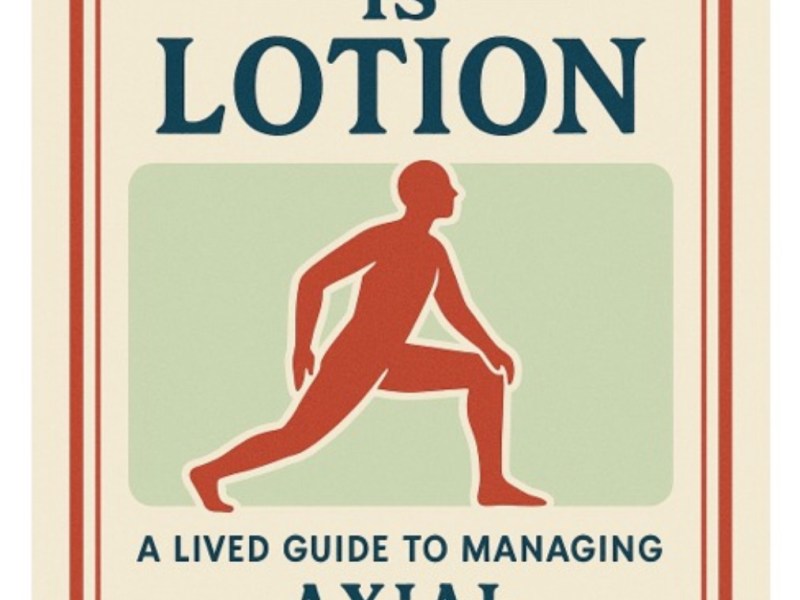
Motion Is Lotion: A Lived Guide to Managing Axial Spondyloarthritis — With and Without Asthma
Practical lived account of axial spondyloarthritis pain management: physio, medication, side effects, self‑care, exercise limits, and asthma‑specific medication cautions. From diagnosis to treatment: a lived timeline Medication and asthma: what changes? Medication Non‑asthmatic considerations Asthmatic considerations NSAIDs First‑line for pain and inflammation; requires GI/renal monitoring. Risk of NSAID‑exacerbated respiratory disease in some — use cautiously.…
Something went wrong. Please refresh the page and/or try again.
 conversationsincolour.org